

Somebody suggested that you could start a student internship program to help with summer maintenance for your school garden and give students work experience. How do you go about starting an internship program and what needs to be in place to make it successful?
First of all, assign a dedicated internship program coordinator. Not only will they manage scheduling and day to day assignments, there should be opportunities for questions, weekly checkins and an evaluation at the end of the internship. Write a simple intern job description so the student knows what is expected of them. There should also be someone on hand to initially train them as well as ongoing training for the tasks they will be assigned and encouragement along the way.
Although all internships are not paid, one model uses a summer farmers market stand to pay the student interns and help fund their school garden program. You could also consider organizing a CSA, a Community Supported Agriculture program. A CSA allows supporters to purchase a share in the garden upfront in exchange for weekly produce during the growing season and will provide the funds so you will know how many interns you can afford to hire. Don’t forget that students could help with other forms of income too such as selling bouquets, handmade items and of course, MSGN School Garden of the Month Calendars!
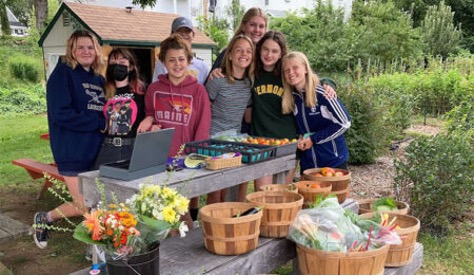 The Traip Greenhouse and Garden program at Traip Academy, a small public high school in Kittery, starts using student interns and community volunteers once school is out for the summer. Students can apply for one of the 8-10 garden internship positions which last ten weeks and are paid minimum wage. The focus of the summer work revolves around a Saturday Farmer’s Market. Held right at their garden, they offer tours for their customers as well as a pick on demand service. In addition to selling fruit and vegetables, they also offer ready made bouquets. Many of the interns return for subsequent summers and the group often includes incoming freshmen. The older students are welcoming to the new students and offer advice on classes and how to weather the first year of high school.
For students who might be interested in a career in horticulture, an internship in a school or community garden would provide valuable experience and connections for future work. Seed Your Future is the movement to promote horticulture and inspire people to pursue careers working with plants.
 The Seed Your Future Student Internship Guide provides practical information to help students prepare for and succeed in an internship, including:
- Why internships are essential for building a successful horticulture career
- How to find internship opportunities across the horticulture industry
- When to start planning for internships and how to prepare
- Tips for building a strong resume and preparing for interviews
- Technical and professional skills employers value most
- Advice for making the most of your internship experience
The guide also includes helpful checklists and step-by-step guidance to help students stay organized throughout the process.
For more information and tips for managing your school garden, check out our Monthly School Garden Checklist on our Managing Your School Garden resource page. Organized by month, each section provides a checklist for planning and tasks needed to be done on a seasonal basis for success in a school garden.
